B. Inspired with Stories from Africa
Jan 3, 2025
In the quiet glow of the evening, my grandmother would recount stories that felt like sacred whispers from another world.
“As a young girl,” she would say, her voice soft yet steady, “I used to sneak into the forest. I wasn’t supposed to go there, but I needed to. The trees, the earth; they felt like freedom.”- Melat Terefe
I remember sitting cross-legged at her feet, wide-eyed, as she painted these images of a girl breaking away from the norms that bound her. I didn’t understand it fully then, but those stories planted something deep inside me. When she passed away, those memories became my anchor, reminding me of who I am and the legacy I carry. * Years later, that legacy became DolMel Manufacturing PLC*.
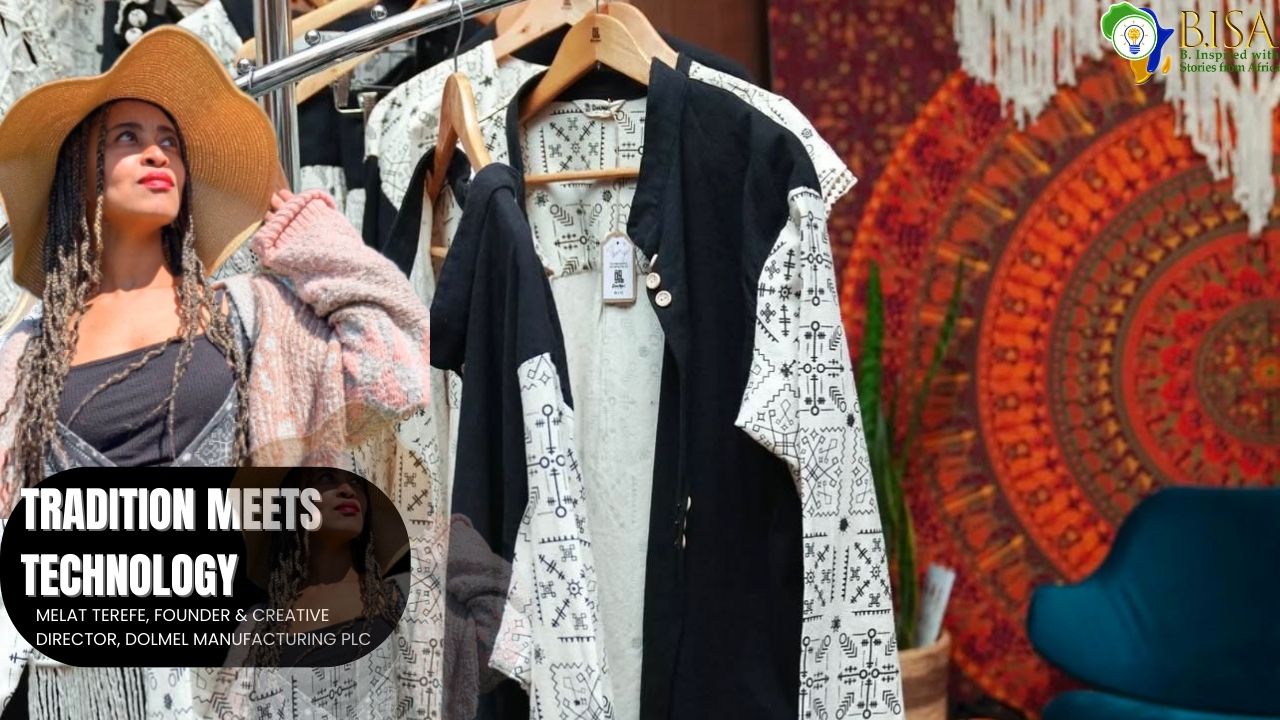
It started with heartbreak. I watched as our ancient hand-weaving traditions, passed down for generations, were overshadowed by mass-produced, low-quality fabrics imported from elsewhere. Our artisans, masters of their craft, were left feeling undervalued, their stories untold. “How can I sit back and watch this happen?” I asked myself one sleepless night. My grandmother’s voice echoed in my mind: “The forest calls to you, even if the world says you shouldn’t go.” And so, Dolmel Manufacturing was born, not just a business, but a movement to reclaim, preserve, and elevate Ethiopia’s hand-weaving heritage.
One evening, much like the ones I spent listening to my grandmother’s tales, I sat with a group of local weavers. The sun had set, and the only light came from a flickering lamp. “What if we combined our traditions with new tools?” I asked, my voice unsure but hopeful. “What if we didn’t let these stories fade?”
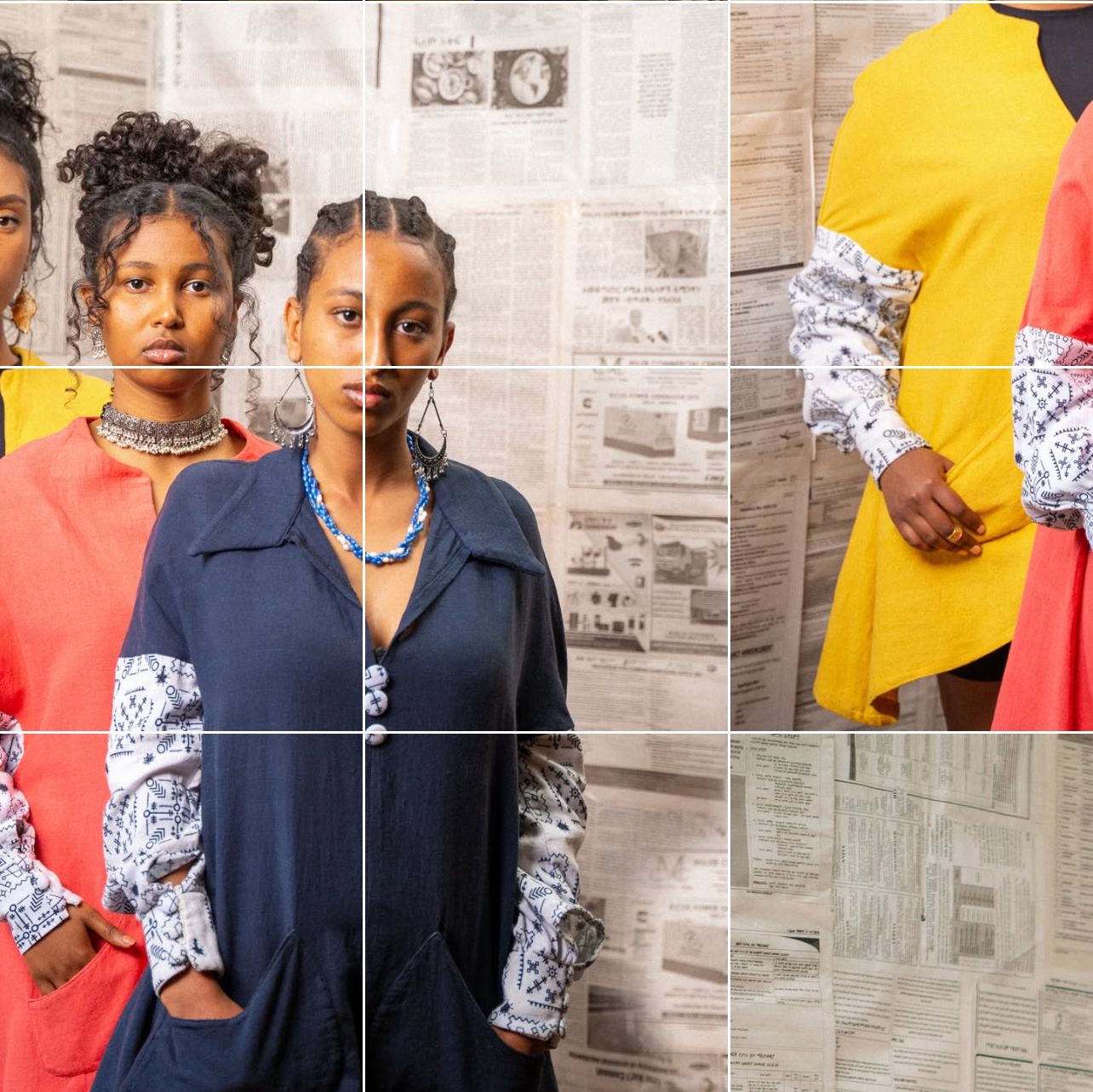
They looked at me with a mix of skepticism and cautious curiosity. “It won’t be easy,” one of them said. “The weaving is too slow. The market wants fast fashion.” But I wasn’t interested in chasing fleeting trends. Dolmel would stand for intentionality, quality, and stories woven into every thread. Our signature designs are deeply personal. They draw from the tattoos my grandmother proudly wore bold, intricate patterns on her neck, shoulders, and arms that symbolized strength and resilience.
“These marks are my story,” she once told me. “They will always be with me.”
At Dolmel, we translate those patterns into fabric, creating wearable art that carries the spirit of generations past. One customer said, “It’s like wearing a part of your soul,” and I knew we were on the right path.
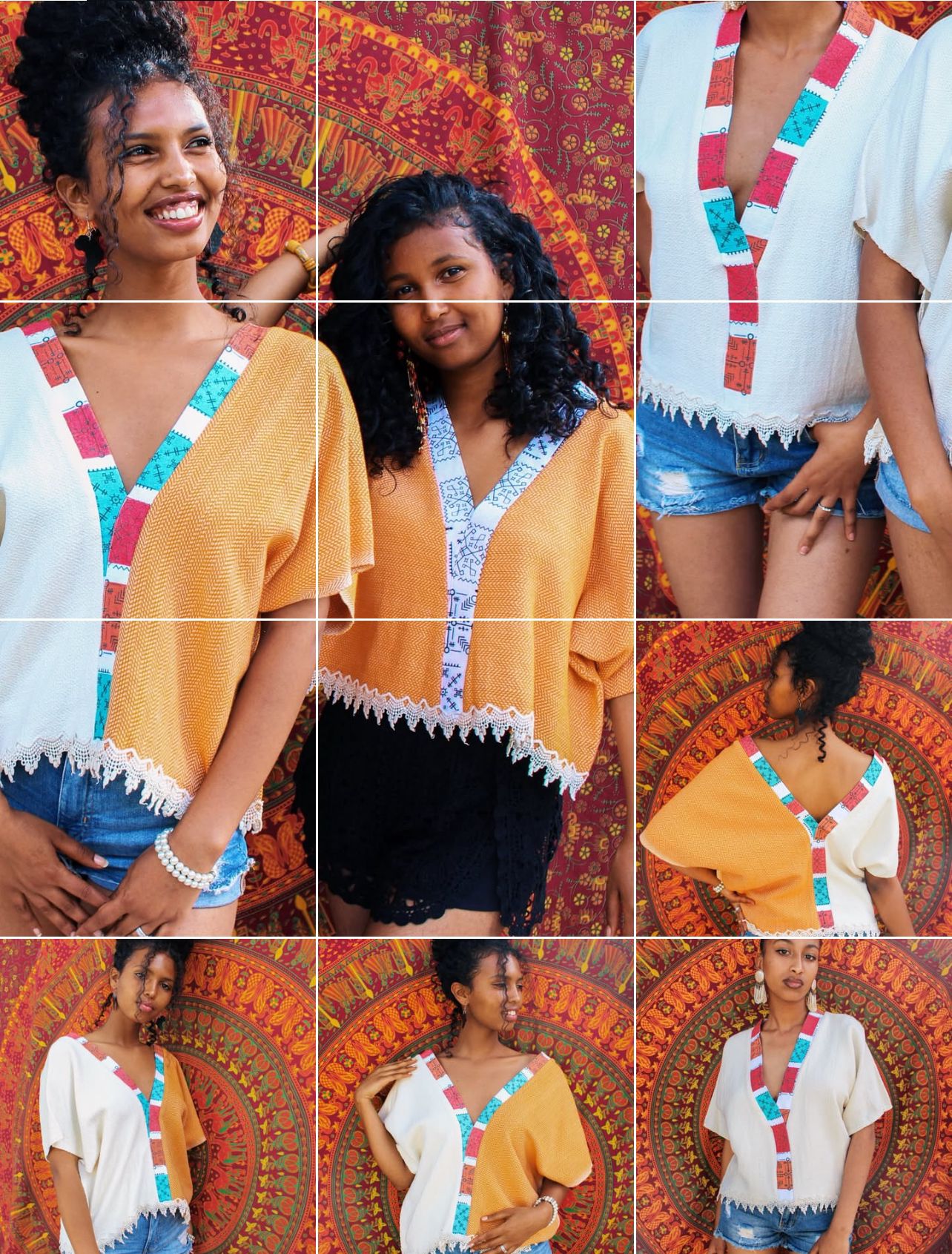
From sourcing organic cotton to navigating a business environment riddled with challenges, every step has felt like walking through that dark forest my grandmother spoke of. Ethiopia’s business ecosystem is not for the faint of heart. Regulations change overnight, resources are scarce, and the infrastructure often feels like it’s working against you.
“If you can make it here in Ethiopia,” I often joke, “you can make it anywhere.”
Every day brings a new challenge whether it’s navigating fluctuating material costs, managing the painstakingly slow process of weaving, or sourcing technology that doesn’t yet exist locally. For some of our patterns, we hand-weave in Ethiopia and Kenya, then ship the fabric to the Netherlands for digital reactive printing before bringing it back for final garment construction.
“It’s not fast,” I tell people. “But it’s meaningful.” This process is not just about producing textiles; it’s about creating livelihoods. We’ve worked with artisans across Ethiopia and Kenya, training them to innovate while preserving their craft. “How can we make this better for your family?” I often ask them. These conversations—small, simple, yet profound, are the heart of what we do. But just as she found beauty and freedom there, I have found purpose in the twists and turns of this journey.
Since our inception in 2022, Dolmel has reached markets in Nairobi, the U.S., Germany, and beyond. Our fabrics, made from 100% organic cotton, have graced trade shows and international fashion weeks. But more than the numbers, it’s the connections that matter most. A customer once told me, “When I wear your fabric, I feel like I’m carrying a story a story that matters.”
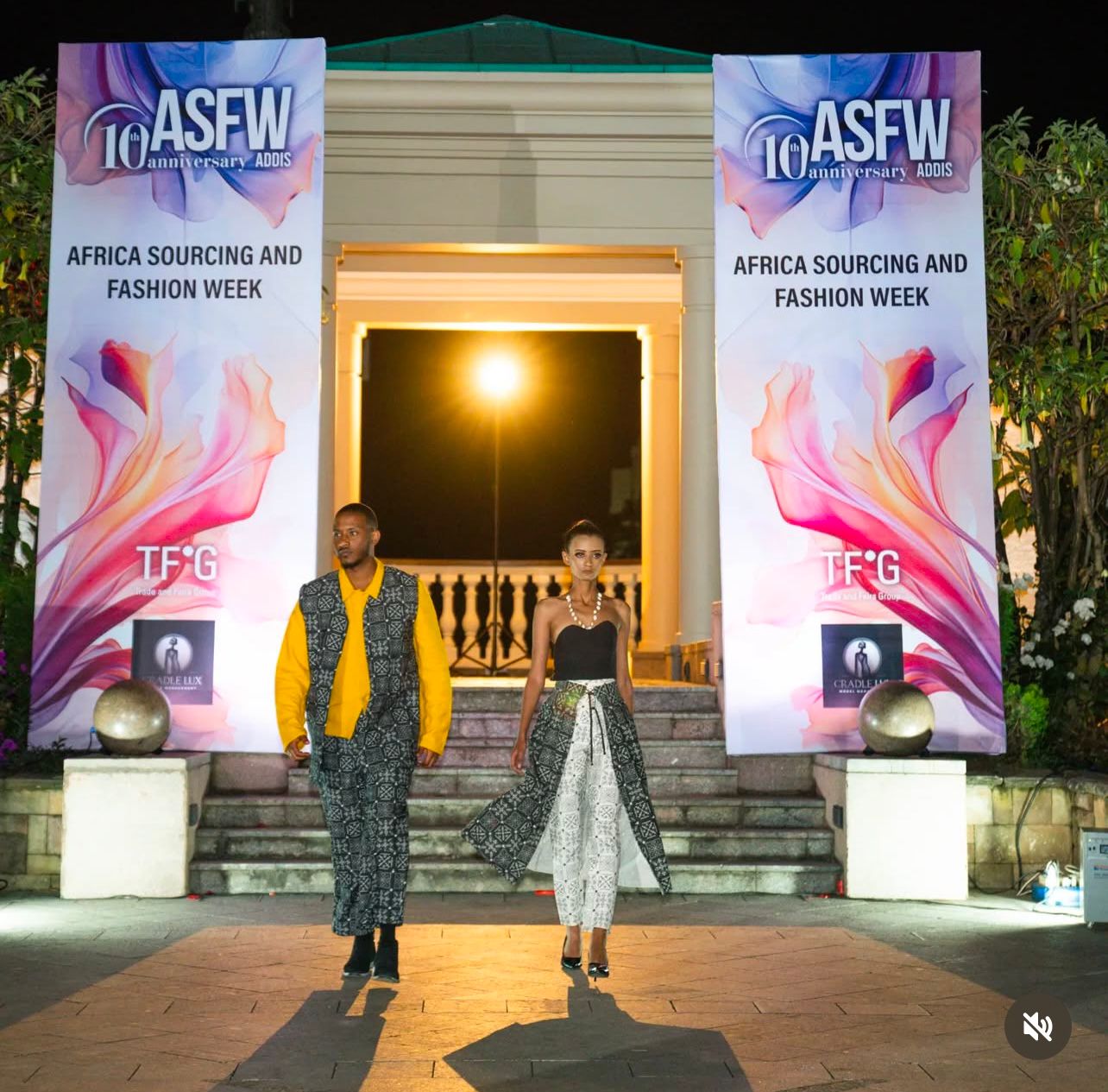
For our artisans, Dolmel means fair pay, recognition, and hope. “You’ve made us believe in our work again,” one weaver told me, her eyes glistening with gratitude.
My vision for Dolmel is rooted in community. I dream of building a headquarters where artisans can thrive, a place that combines traditional weaving with cutting-edge technology, where every thread tells a story. I want Dolmel to be a trendsetter, not in fashion alone but in sustainability and human connection.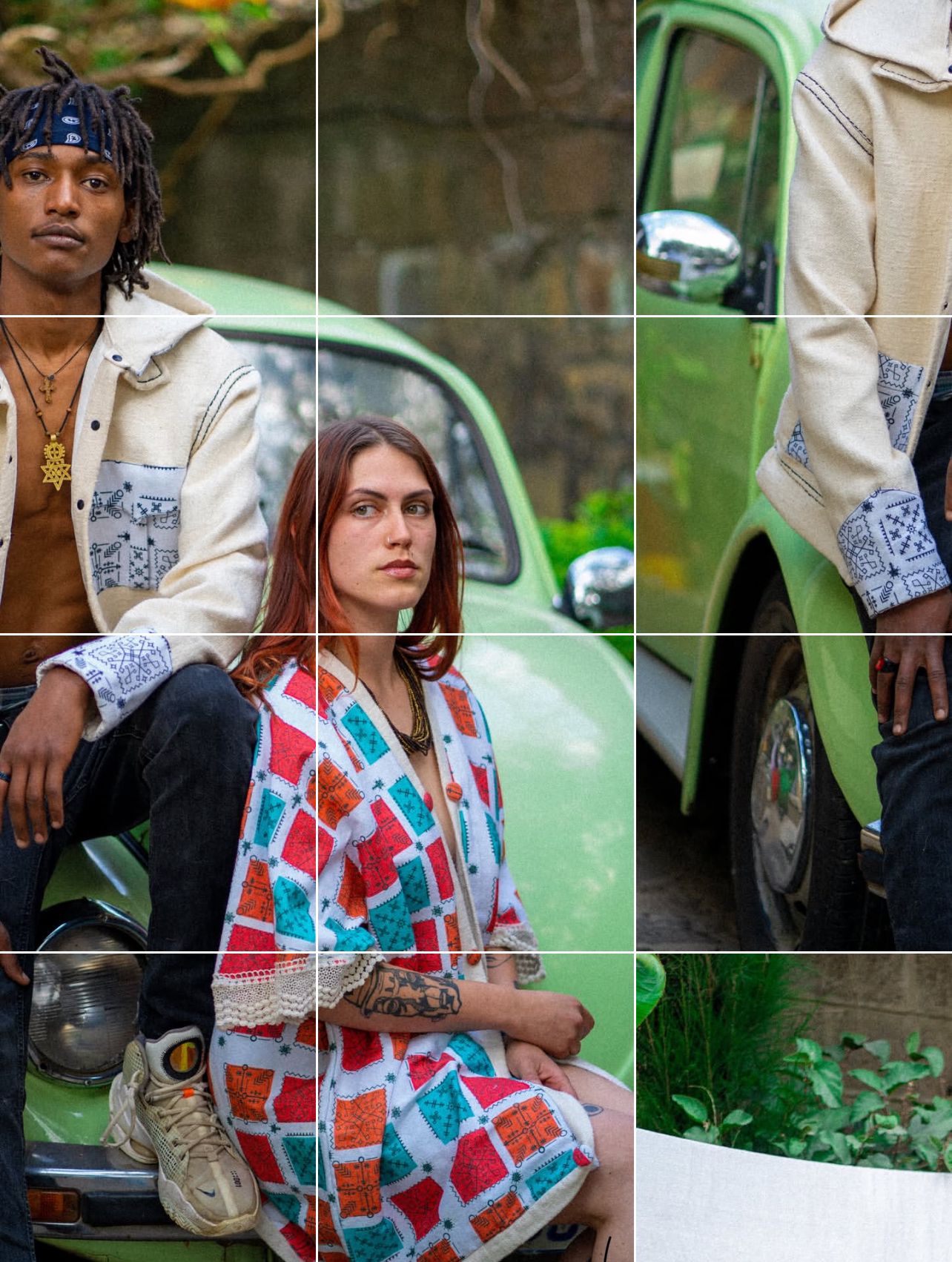
“The future of fashion is in Africa,” I often say, “and Africa’s future is rooted in a circular economy.”- Melat Terefe
Through Dolmel, I want to show the world what intentional, human-first fashion can look like.
When I reflect on this journey, I think about my grandmother wandering into the forest, defying expectations. Her adventurous spirit lives in every decision I make. She taught me to trust my instincts, to embrace freedom, and to honor my roots.
To the young people reading this, my advice is simple: Take time to understand who you are. Find your why. Be intentional with your impact. “Impact starts small,” I always say, “but one person can make a million.”
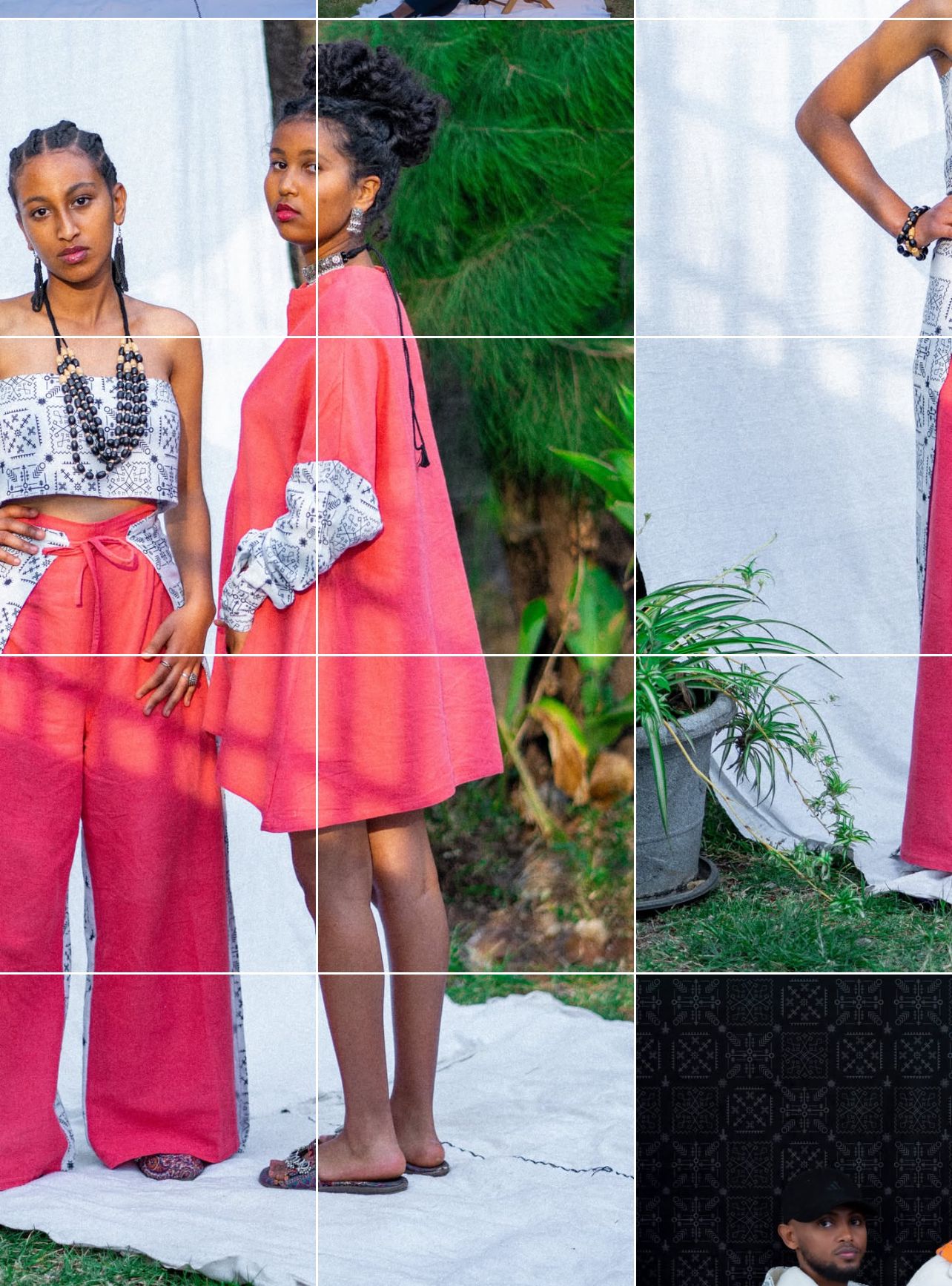
Beyond Dolmel, I dream of an Africa where creativity drives sustainable growth, where we celebrate our shared heritage, and where innovation flourishes across borders. I envision a continent united by a commitment to preserving our traditions while shaping a brighter future.
This is the Africa I want to see. This is the Africa Dolmel is working toward.
No Matter who you are, where you are or what you are, B.inspired with Stories from Africa.